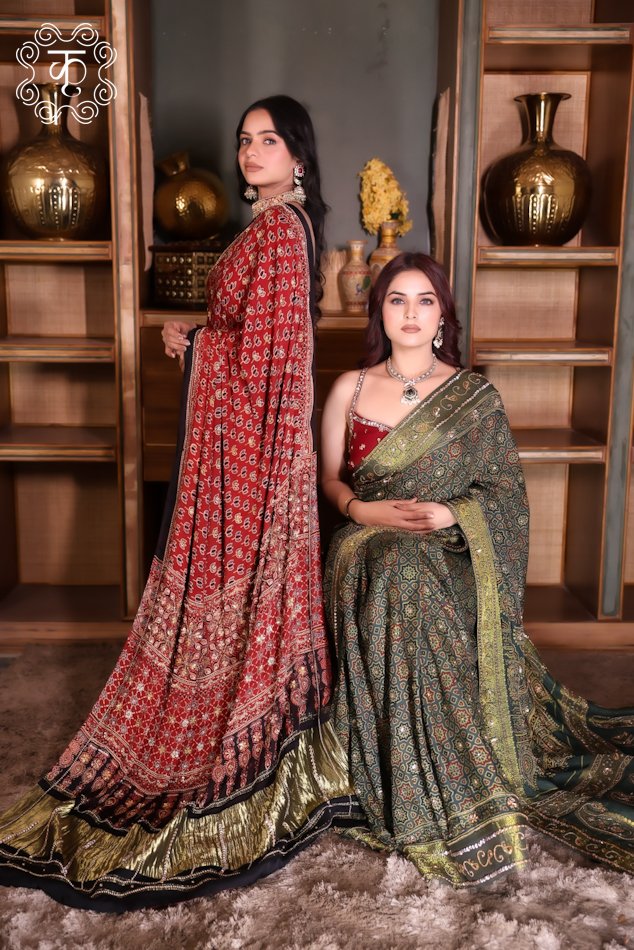
Why Handcrafted Ethnic Wear Is Worth the Investment. Somewhere in your family’s cupboard, there is probably a saree that is older than you — a grandmother’s Banarasi, a mother’s wedding Kanjeevaram — still rich, still wearable, still admired every time it comes out. Now think of the trendy outfit bought online two festive seasons ago. Chances are, it has already pilled, faded or gone out of shape.
That contrast is the whole argument for handcrafted ethnic wear, and it’s why 2026 has seen buyers across India turning back toward artisan-made clothing — asking about the karigars, the techniques, and the hours behind each piece rather than just the look. At Kridhaa, we’ve built our entire collection on this belief. Here’s why we think handcrafted is genuinely worth the higher price.
1. The Cost-Per-Wear Makes Handcrafted Ethnic Wear a Smart Investment
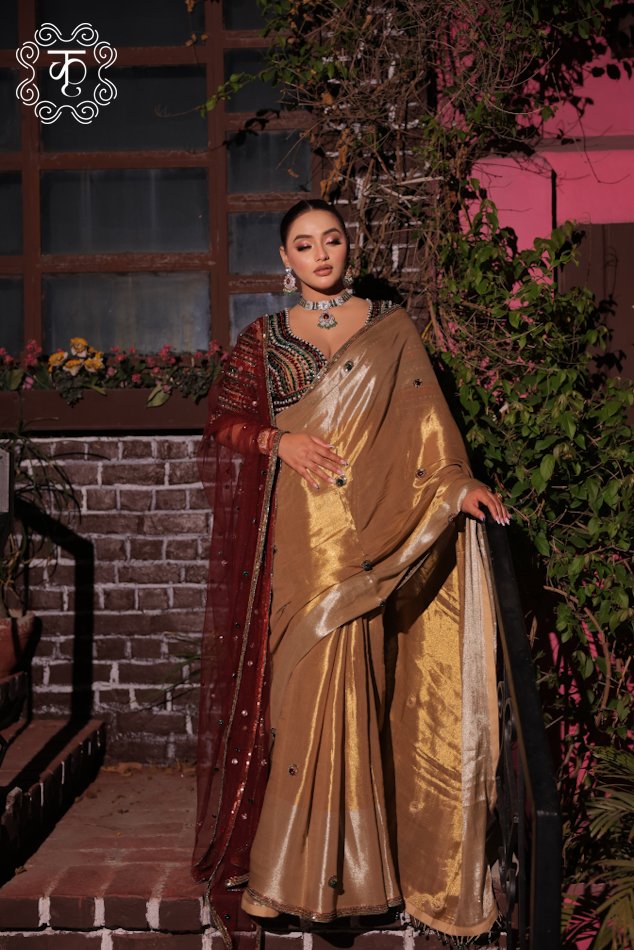
A ₹2,000 machine-made festive outfit worn four times before it fades costs ₹500 per wear. A ₹20,000 handwoven silk saree worn twice a year for twenty years costs the same ₹500 per wear — except at the end, you still own the saree, it still looks beautiful, and it may have actually appreciated in value. Fine handloom and vintage zari sarees are among the very few garments in the world that hold or gain worth over decades.
Fast fashion is cheap to buy and expensive to own. Handcrafted is the reverse.
2. Quality and Craftsmanship That Make Handcrafted Ethnic Wear Last
Handwoven fabric behaves differently. The tension of a handloom produces a weave with natural give, better drape and greater durability than high-speed machine fabric. Hand-guided zari is woven *into* the textile rather than printed or glued on, which is why a fifty-year-old Banarasi still shines while a machine-embellished saree sheds its sparkle in a few washes.
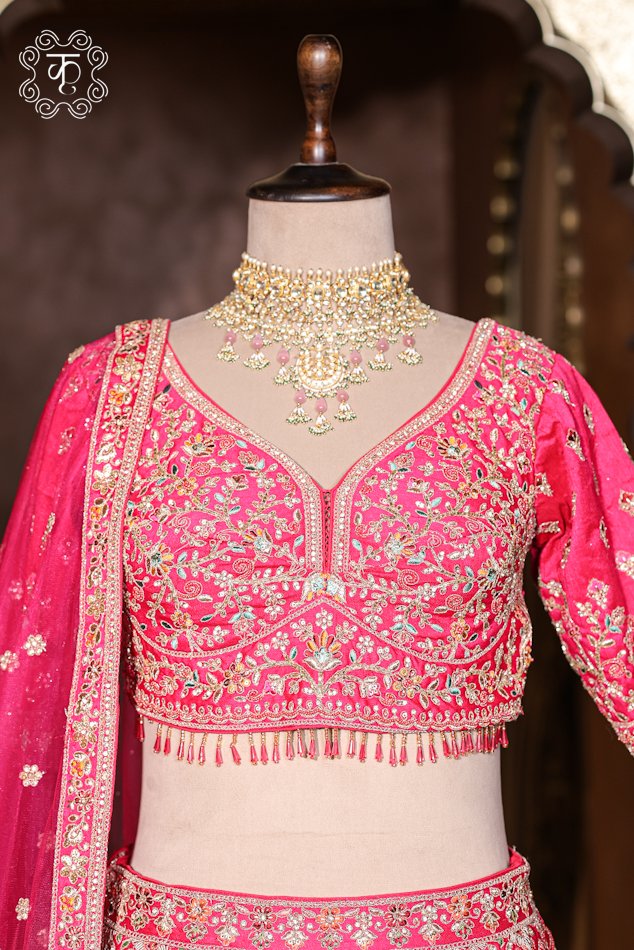
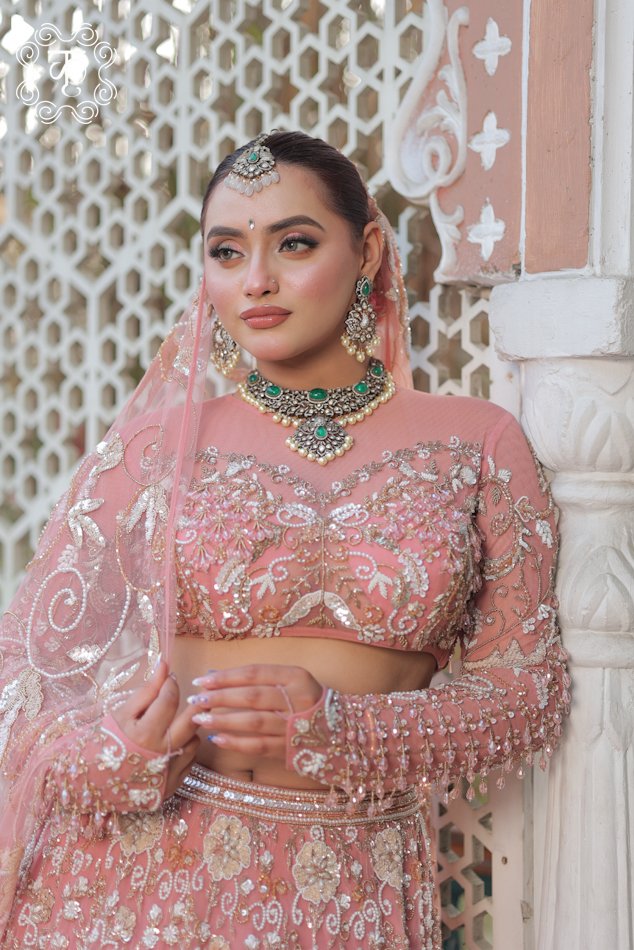
The same is true of hand embroidery. Zardozi, aari and dabka work done on an adda frame is anchored stitch by stitch; it can be repaired, restored and re-set decades later. Machine embellishment usually cannot.
3. Why Handcrafted Clothing Is Better Than Fast Fashion
Handwork carries small, human variations — a motif that leans slightly, a border with its own rhythm. These aren’t flaws; they’re fingerprints. When a piece takes weeks to make (a single designer saree can take 100 to 1,000+ hours — we’ve broken this down in another post), it simply cannot be mass-produced. At a wedding full of lookalike catalogue outfits, a handcrafted piece is guaranteed to be yours alone.
4. The Sustainable Benefits of Handcrafted Ethnic Wear
The most sustainable garment is the one you keep for thirty years. Handcrafted ethnic wear is slow fashion in its truest form: natural fibres, low-energy production on handlooms, minimal waste, and a lifespan measured in generations rather than seasons. Every handcrafted purchase also keeps a weaver or karigar family in their craft — India’s handloom and handicraft sector supports millions of artisans, and demand is the only thing that keeps these centuries-old skills alive.
When you buy handcrafted, your money doesn’t just buy a garment. It funds the survival of chikankari, zardozi, Banarasi brocade and block printing for the next generation.
5. How to Buy Genuine Handcrafted Ethnic Wear
This is the part no spreadsheet captures. A handcrafted bridal lehenga becomes the one your daughter asks to wear. A handwoven saree becomes the thing your family passes down, photographs in, tells stories about. Machine-made clothing is consumed; handcrafted clothing is inherited. (If you’re planning to pass a piece down, our guides on caring for designer sarees and preserving your bridal lehenga will help it survive the journey.)
How to Buy Handcrafted Wisely
Not everything sold as “designer” is handcrafted, so ask the right questions. Ask what the fabric is and where it was woven. Look at the reverse side — hand embroidery shows its working threads; genuine handloom shows tiny natural irregularities. Ask about the craft: a seller who works with real artisans can tell you the technique by name. And buy fewer, better pieces — one exceptional saree over three forgettable ones, always.
At Kridhaa, this is exactly how we curate. Every designer saree, bridal lehenga and suit in our collection is chosen for its craftsmanship first, and our styling team can tell you the story behind the work — because we believe you should know what your investment actually holds.
The Bottom Line
If you’re still wondering why handcrafted ethnic wear is worth the investment, the answer lies in its lasting quality, timeless craftsmanship, and the value it brings for generations.
Ready to invest in a piece that outlasts trends? Explore Kridhaa’s handcrafted collection at kridhaa.in, or DM us on Instagram for a personal styling consultation.
—
About Kridhaa
Kridhaa is a designer ethnic wear brand from Paschim Vihar, New Delhi, specialising in handcrafted sarees, bridal lehengas and bespoke personal styling.
🛍️ Shop the collection: https://kridhaa.in
📸 Follow us on Instagram: https://www.instagram.com/kridhaaofficial
▶️ Watch styling videos on YouTube: https://youtube.com/@kridhaa.official
📍 Visit us in Paschim Vihar, New Delhi | DM us for a personal styling consultation