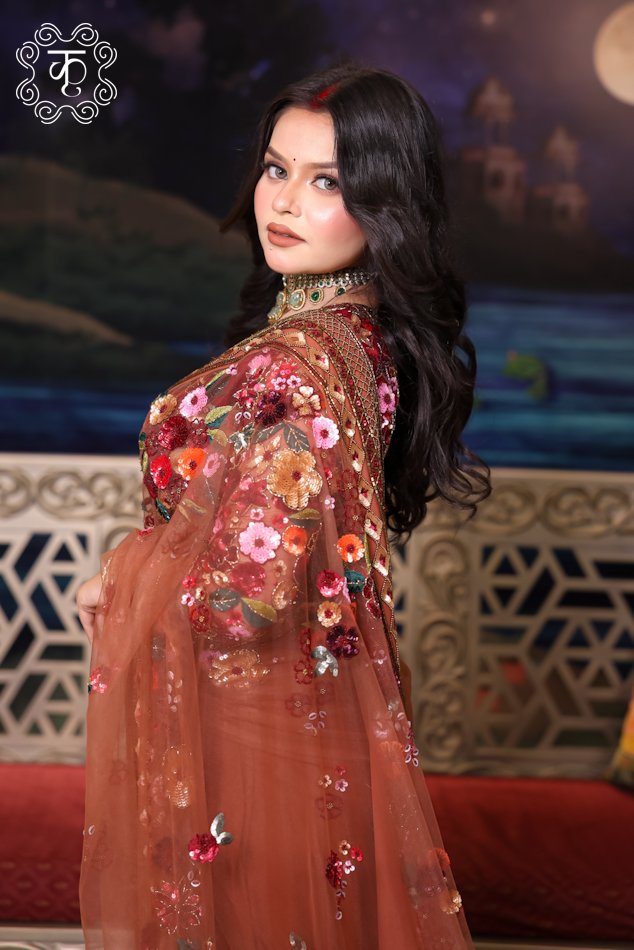
“Designer saree” has become one of the most overused phrases in Indian fashion retail — applied equally to a genuinely hand-embroidered Banarasi and a machine-printed saree with a few sequins stitched on. As a Delhi-based ethnic wear brand, we get asked constantly at Kridhaa: what actually makes a saree “designer,” and how do you tell the difference while shopping?
It’s Not About the Label — It’s About the Work
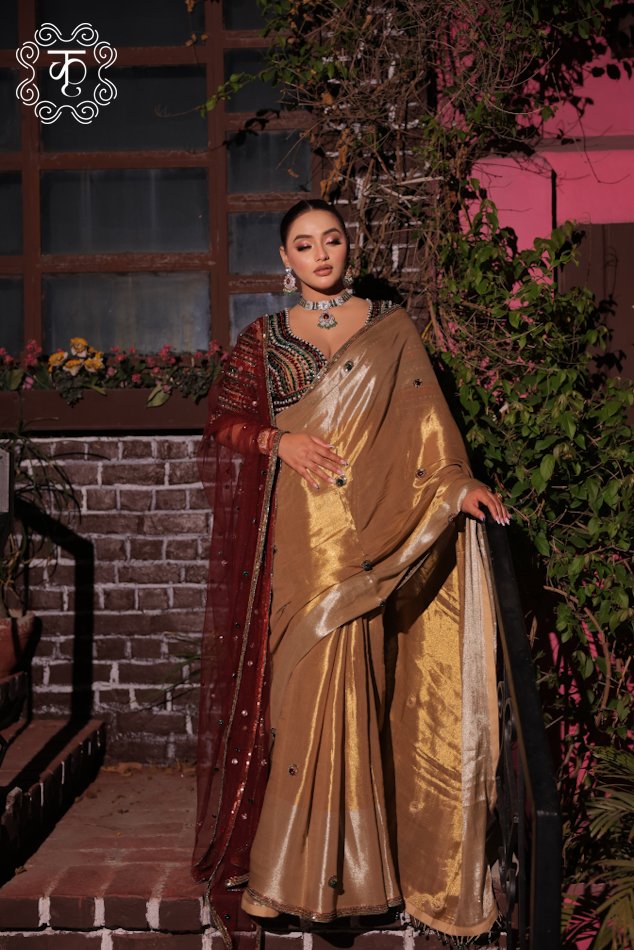
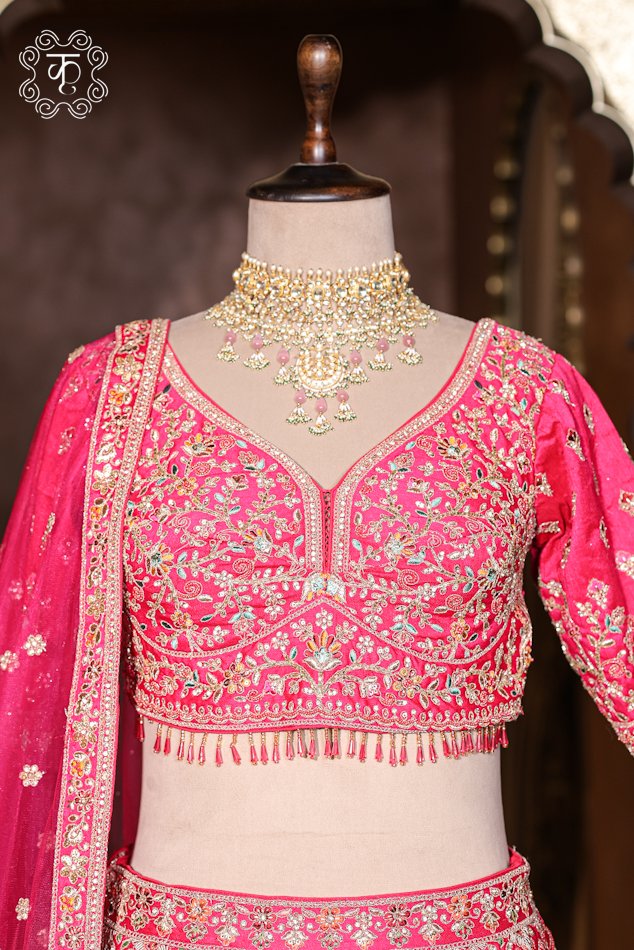
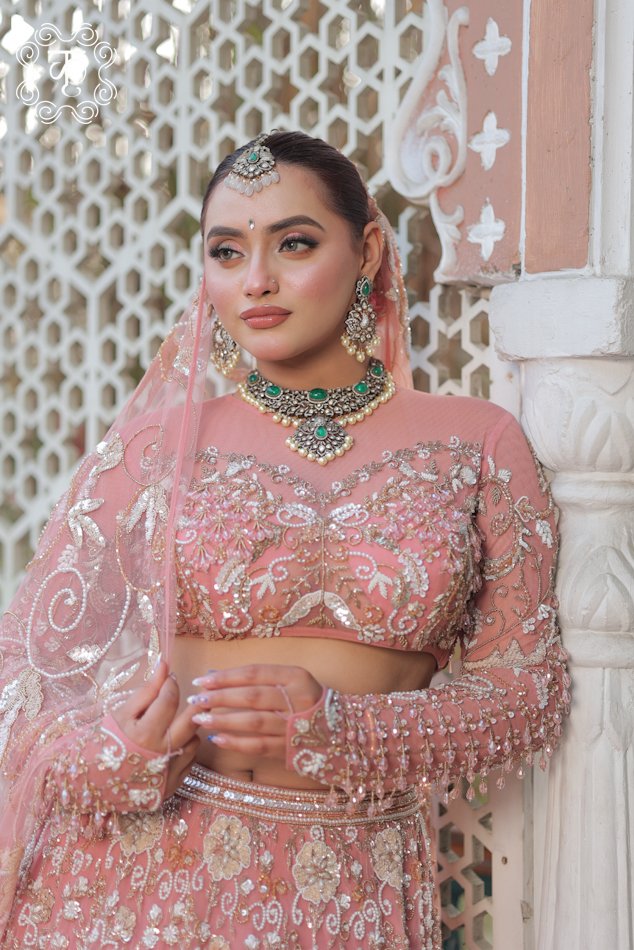
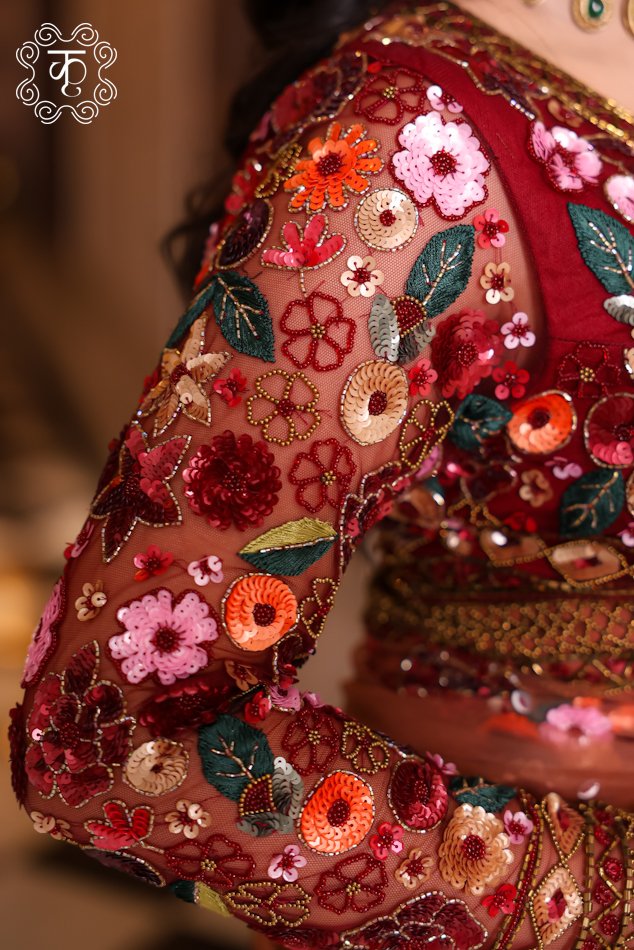
A genuinely designer saree is defined by original design work, quality fabric, and hand-finishing — not simply a higher price tag or a boutique name. The clearest tell is on the reverse side of the embroidery: hand work shows visible thread paths and slight natural irregularities; machine work looks identical, flat and mechanically perfect from every angle.
What to Check Before You Buy
The fabric itself. Genuine silk has a distinct sheen and weight different from synthetic blends — rub a corner between your fingers; real silk feels warm, not slippery-cool like polyester. The zari. Real zari (traditionally silver thread coated in gold) has a slightly muted, warm shine; synthetic “zari” often looks too bright and uniformly shiny. The border and pallu finishing. A well-made designer saree has a properly finished fall and pico from the start, and the border pattern lines up cleanly at the seams — a small detail most buyers overlook, but one that reveals the quality of the workmanship immediately.
The story behind it. Any seller genuinely working with artisans can tell you the technique, the region it comes from, and roughly how long it took (we’ve written a full breakdown of how many hours actually go into making a designer saree, if you’re curious). If a seller can’t answer basic questions about the craft, the “designer” label is likely just marketing.
Delhi’s Designer Saree Landscape
Delhi’s saree market ranges enormously — from Chandni Chowk’s wholesale lanes selling budget replicas of popular designs, to boutique labels doing genuine artisan collaborations, to online-first brands with mixed quality control. The middle ground — boutiques who work directly with weaver clusters and karigars, and can speak knowledgeably about their own pieces — is usually where genuine designer craftsmanship and reasonable pricing meet.
Why the Price Difference Is Real
A hand-embroidered or handwoven designer saree costs meaningfully more than a machine-made equivalent because it represents real hours of skilled human work — sometimes weeks of it. This isn’t a markup on a label; it’s the actual cost of craftsmanship, and it’s also why a well-cared-for designer saree lasts decades rather than a couple of seasons (our saree care guide covers exactly how to protect that investment).
The Kridhaa Approach
Every saree in our collection is chosen with these standards in mind — genuine handwork, quality fabric, and a story we can tell you honestly, whether it’s a hand-embroidered organza or a traditional Banarasi silk. We’d rather you understand exactly what you’re buying than simply trust a label.
About Kridhaa
Kridhaa is a designer ethnic wear brand from Paschim Vihar, New Delhi, specialising in handcrafted sarees, bridal lehengas and bespoke personal styling.
🛍️ Shop the collection: https://kridhaa.in
📸 Follow us on Instagram: https://www.instagram.com/kridhaaofficial
▶️ Watch styling videos on YouTube: https://youtube.com/@kridhaa.official
📍 Visit us in Paschim Vihar, New Delhi | DM us for a personal styling consultation