
How to Care for Designer Sarees: A Complete Guide from Kridhaa
A designer saree is never just six yards of fabric. It is hours of handwork, a memory of the occasion you wore it to, and very often, an heirloom in the making. Yet we’ve seen it happen so many times at Kridhaa — a client brings back a gorgeous silk saree after two years, and the zari has blackened, the folds have permanent creases, and the fall has come loose. Almost all of it was avoidable.
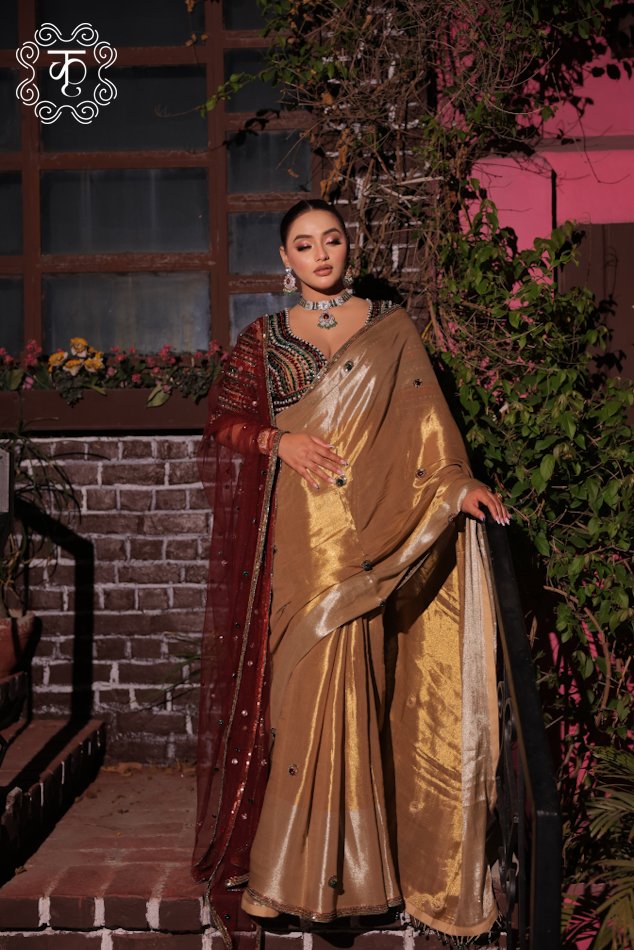
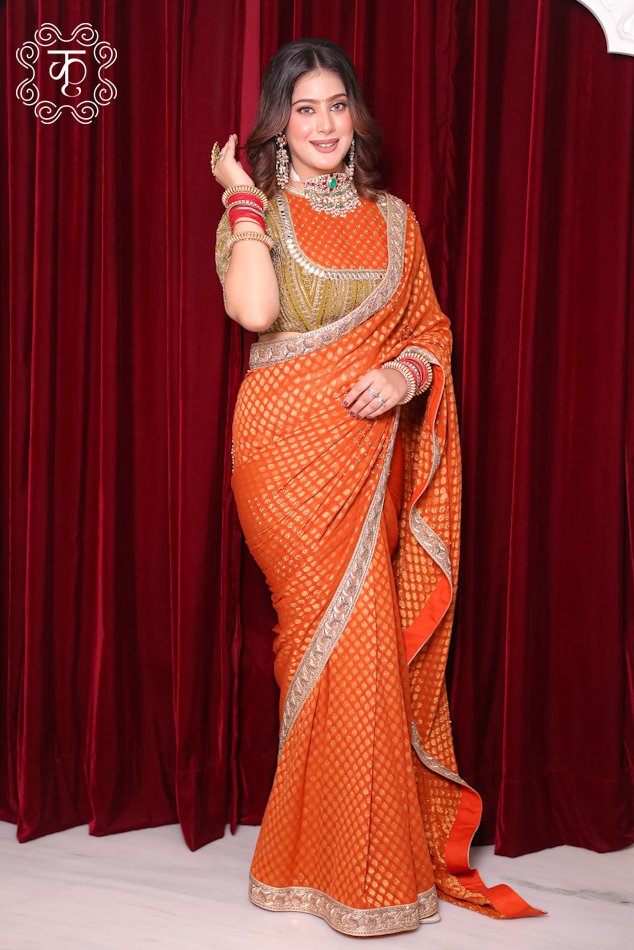
Here is everything our styling team tells clients about caring for their designer sarees, whether it’s a Banarasi silk, a hand-embroidered organza, or a heavily worked festive piece.
How to Care for Designer Sarees Before the First Wear
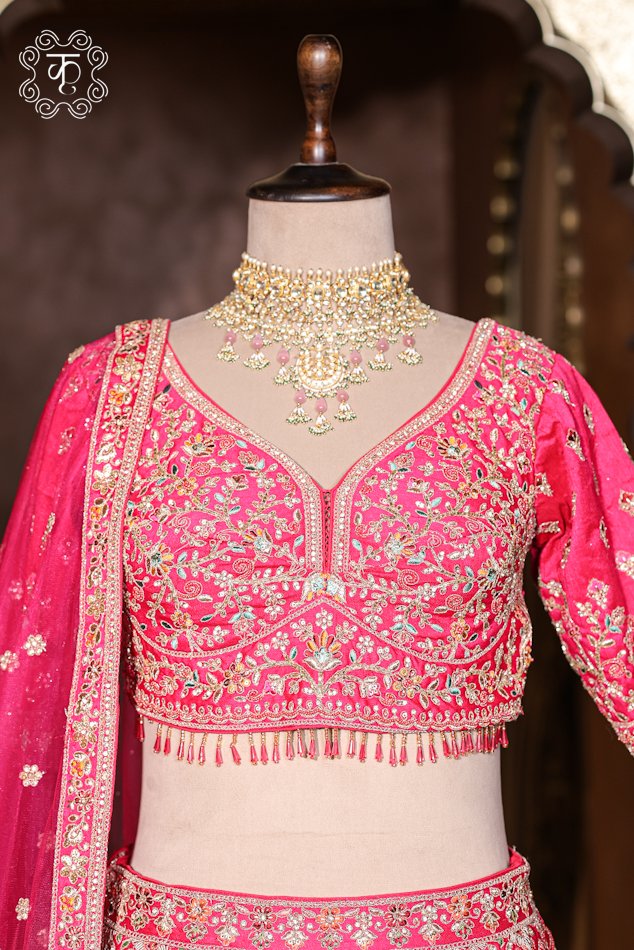
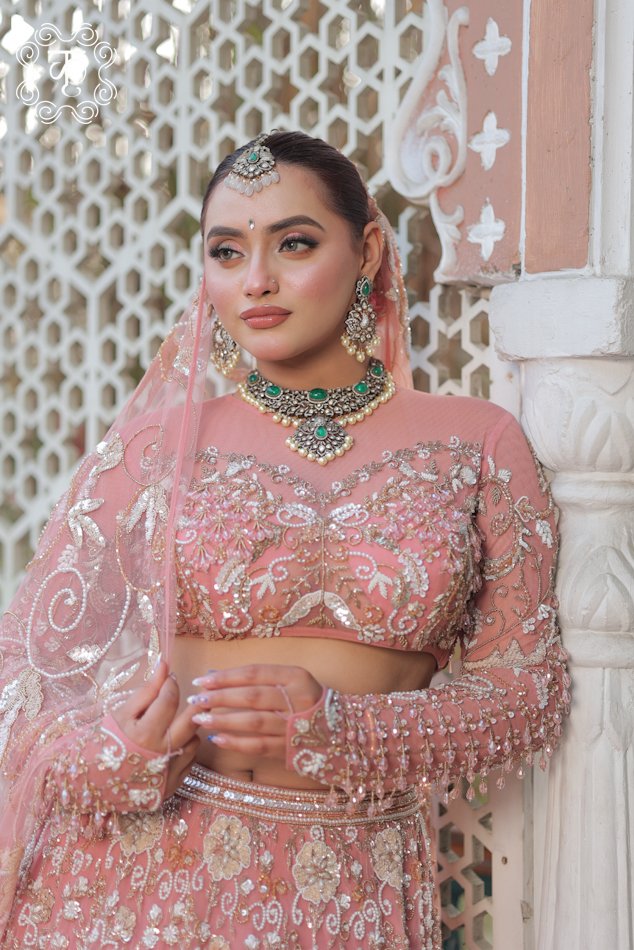
The care begins before the saree is ever worn. Get the fall and edging (pico) done as soon as you buy the saree. An unfinished edge frays quickly. A saree without a fall also wears out faster along the bottom border. If your saree has heavy embroidery or sequin work, wear your jewellery carefully; bangles and bracelets are the single biggest cause of pulled threads.
A small trick our clients love: apply your perfume, deodorant and hairspray *before* draping the saree, and let them dry completely. Alcohol-based sprays stain silk and dull zari permanently.

How to Care for Designer Sarees: Washing Tips
The golden rule for designer sarees is simple — most of them should never see a washing machine, and many should never see water at all.
Silk sarees (Banarasi, Kanjeevaram, raw silk): Dry clean only, and only when genuinely needed. Silk does not need cleaning after every wear. If you’ve worn it for a few hours indoors, simply air it in shade for a day and put it back. Over-dry-cleaning fades silk faster than wearing it does.
Organza and tissue sarees: These are delicate and prone to water spots. Dry clean only, and choose a cleaner who has experience with fine fabrics — ask them specifically.
Georgette and chiffon: Lighter pieces without embellishment can occasionally be hand-washed in cold water with a mild liquid detergent. Never wring them; roll the saree in a clean towel to remove excess water and dry flat in shade.
Embroidered and embellished sarees: Always dry clean. Water loosens the adhesive behind stones and dulls metallic threadwork.
If something spills on your saree, don’t rub it. Gently blot the stain with a dry tissue. Take the saree to a dry cleaner within a day or two. Old stains on silk become very difficult to remove.
How to Store Designer Sarees the Right Way
More sarees are damaged in cupboards than at parties. Here’s how to store them right.
Use Muslin Cloth for Storage
Wrap silk and zari sarees in muslin or pure cotton cloth — never in plastic. Plastic traps moisture, which causes fungus in humid months and tarnishes zari. Muslin lets the fabric breathe. At Kridhaa, we recommend storing the saree in the soft cloth bag it comes with. You can also use a cotton saree bag. It is inexpensive and protects a valuable garment.
Refold Sarees Every Few Months
Refold your sarees every two to three months, changing the fold lines each time. Permanent creases along the same fold eventually crack the fabric, especially in tissue and heavy silk. This ten-minute ritual is the single most effective thing you can do for saree longevity.
Store Zari Sarees Carefully
Keep zari-work sarees folded with the zari side inward, and place a sheet of butter paper between the folds of heavily embroidered pieces so the work doesn’t catch on itself.
Avoid Metal Hangers
Avoid metal hangers entirely. If you must hang a saree, use a padded hanger and only for short periods — long-term hanging stretches the fabric under its own weight.
Protect Sarees from Moisture and Insects
Finally, keep naphthalene balls away from direct contact with the fabric; they can discolour silk. Neem leaves or dried lavender wrapped in a small cotton pouch work beautifully as a natural alternative and keep silverfish away.
How to Care for Designer Sarees While Ironing and Steaming
Always iron sarees on low heat with a cotton cloth placed between the iron and the fabric, especially over embroidery and zari. Better still, use a garment steamer — it removes creases without ever touching the work. Never iron over stones or sequins directly; the heat melts the adhesive.
How to Care for Designer Sarees During the Monsoon
If you live in Delhi or anywhere with humid monsoons, take your silk sarees out and air them in shade once during the rainy season. Moisture is silk’s biggest enemy, and a couple of hours of airing prevents the musty smell and fungus spots that show up in September.
Final Tips on How to Care for Designer Sarees
The most beautiful sarees in India are often the oldest ones — a mother’s Banarasi, a grandmother’s Kanjeevaram. They survived decades because someone cared for them with intention. Your designer saree deserves the same.
If you’re ever unsure about how to care for a specific piece you’ve bought from us, message us on Instagram or WhatsApp — the Kridhaa styling team is always happy to guide you on fabric-specific care. And if you’re looking to add a new heirloom to your collection, explore our latest designer sarees at kridhaa.in.
—
About Kridhaa
Kridhaa is a designer ethnic wear brand from Paschim Vihar, New Delhi, specialising in handcrafted sarees, bridal lehengas and bespoke personal styling.
🛍️ Shop the collection: https://kridhaa.in
📸 Follow us on Instagram: https://www.instagram.com/kridhaaofficial
▶️ Watch styling videos on YouTube: https://youtube.com/@kridhaa.official
📍 Visit us in Paschim Vihar, New Delhi | DM us for a personal styling consultation